- For EAN above 21% oxygen, the cylinder must be oxygen-clean inside.
- The valve must be oxygen-rated, with oxygen-compatible seals.
- The cylinder carries the nitrox markings: a green-and-yellow band and an EAN label.
- Most fill stations want a valid oxygen-cleaning certificate before filling nitrox.
What nitrox is
Nitrox — enriched air, or EAN — is breathing gas with a higher oxygen fraction than the 21% in air. Divers use it to extend no-decompression limits at recreational depths and to reduce nitrogen loading. The trade-off is a maximum operating depth: more oxygen means a shallower limit before oxygen toxicity becomes a concern. That’s a training topic — the point here is what it means for your cylinder.
Why oxygen cleaning matters
Higher oxygen concentrations make combustion easier. Any hydrocarbon contamination inside the cylinder or valve — oil, grease, residue — becomes a fire risk in an oxygen-enriched, high-pressure environment. So a cylinder used for nitrox above 21% must be oxygen-clean: internally free of hydrocarbons, and assembled with oxygen-compatible lubricants and seals.
The markings
A nitrox cylinder is identified at a glance: a green-and-yellow band around the shoulder, plus an EAN content label stating the mix and its maximum operating depth. These markings are required by training agencies and national regulation, and they tell fill operators and buddies exactly what the cylinder holds.
Before every nitrox dive
- Analyse the actual mix yourself with an oxygen analyser — never assume the fill
- Label the cylinder with the analysed oxygen percentage and your maximum operating depth
- Confirm the cylinder is within its oxygen-cleaning validity and inspection dates
Keeping it clean
Oxygen cleanliness isn’t permanent. Servicing with the wrong lubricant, a contaminated fill, or ordinary wear can compromise it — which is why nitrox cylinders are serviced and re-certified to oxygen standards, not ordinary ones. If in doubt, have it re-cleaned before filling enriched air.
Gear in this article
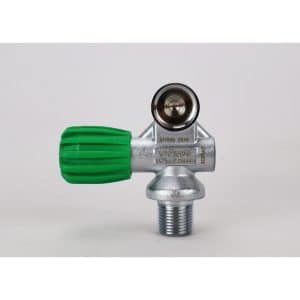 SoprasSubLeft Z valve Nitrox 26×2 EU (EN144)€62
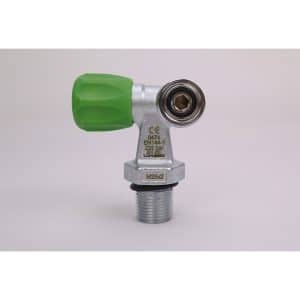 SoprasSubLeft Z valve Nitrox-G5/8 reg.conn.€58
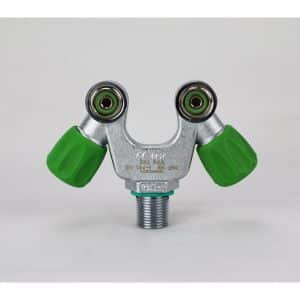 SoprasSubV valve Nitrox-G5/8 regul.connect.€134
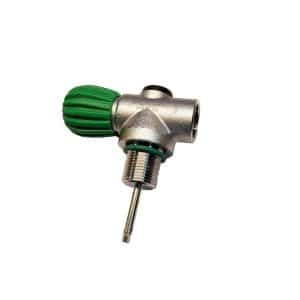 SoprasTekRebreather valves for Nitrox€61 – 64